
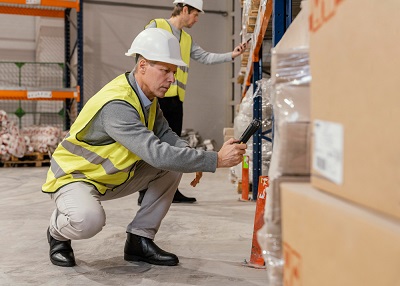
In today’s competitive logistics and manufacturing environment, damaged freight and unstable loads can quickly eat into margins. Whether you operate a distribution centre, food processing facility or retail warehouse, proper load containment is essential for safety, compliance and customer satisfaction. While manual stretch wrapping may still be common in smaller facilities, growing operations are increasingly turning to pallet wrapping machines to improve speed, consistency and overall efficiency. When used correctly, these systems reduce labour strain, lower film waste and protect goods throughout transport. This guide explains how pallet wrapping machines improve warehouse performance, how to select the right solution for your operation, and what to consider before investing.
Why Load Containment Is Critical for Australian Businesses
Freight often travels long distances across Australia. Vibrations, temperature changes and handling during transport can easily destabilise poorly wrapped pallets. The consequences include:
- Crushed cartons
- Damaged products
- Insurance claims
- Delivery rejections
- Workplace hazards Manual wrapping relies heavily on operator technique. Tension can vary, coverage may be inconsistent, and fatigue becomes a factor during high-volume shifts. Pallet wrapping machines eliminate this variability by applying controlled, repeatable film tension to every load.
How Automated Wrapping Systems Work
At a basic level, pallet wrapping machines secure goods using stretch film applied under consistent tension. Operators can program wrap cycles, film stretch ratios and rotation speeds to match specific load requirements. Key components typically include:
- A rotating platform or arm
- Film carriage with adjustable tension
- Height sensors
- Control panel with programmable settings By standardising the process, pallet wrapping machines reduce errors and improve throughput.
Types of Wrapping Equipment
Different operations require different configurations. Choosing the right model depends on load type, available space and daily pallet volume.
Turntable Systems
The pallet sits on a rotating base while film is applied vertically. Best suited for:
- Stable, uniform pallets
- Medium throughput facilities Advantages:
- Cost-effective
- Simple operation
- Reliable daily use Limitations:
- Not ideal for unstable loads
Rotary Arm Systems
The pallet remains stationary while a wrapping arm rotates around it. Best suited for:
- Fragile goods
- Tall or lightweight pallets Advantages:
- Reduced risk of tipping
- Greater stability during wrapping Limitations:
- Higher capital investment
Mobile Robotic Wrappers
These units move around the pallet rather than requiring a fixed installation. Best suited for:
- Variable pallet sizes
- Flexible warehouse layouts Each of these pallet wrapping machines serves a specific operational need.
Manual vs Automated Wrapping: A Practical Comparison
FactorManual MethodAutomated SystemWrapping SpeedSlowerFaster & consistentFilm UsageHighOptimisedWorker FatigueSignificantMinimalLoad ConsistencyVariableUniformLong-Term CostHigher labour costLower over timeFor facilities dispatching dozens or hundreds of pallets daily, pallet wrapping machines offer measurable improvements in productivity.
Real-Life Warehouse Example
A regional distribution centre processing 130 pallets per day previously relied on two employees for manual wrapping. Average wrap time per pallet was around four minutes. After installing pallet wrapping machines:
- Wrap time reduced to under two minutes
- Film consumption dropped by nearly 25%
- Staff were reassigned to picking and packing
- Damaged freight claims decreased significantly The return on investment was achieved within the first year.
How to Choose the Right System
Selecting pallet wrapping machines requires a structured approach.
Step 1: Calculate Daily Volume
- Under 30 pallets → Entry-level semi-automatic
- 30–150 pallets → Turntable configuration
- 150+ pallets → Fully integrated automated line
Step 2: Evaluate Load Characteristics
Are your loads:
- Uniform in size?
- Fragile or unstable?
- Heavy or lightweight? Unstable loads often benefit from rotary arm configurations.
Step 3: Assess Available Floor Space
Ensure adequate clearance for safe operation and maintenance. Mobile systems may be suitable where space is limited.
Step 4: Consider Film Efficiency
Look for pre-stretch film capability, which significantly reduces material usage while maintaining load strength.
Advantages of Automation
Operational Benefits
- Faster dispatch cycles
- Reduced film waste
- Improved presentation
- Lower injury risk
- Consistent load containment
Financial Benefits
- Reduced labour hours
- Lower compensation claims
- Fewer damaged shipments
- Predictable wrapping costs Although pallet wrapping machines require upfront investment, most businesses see savings within 6–18 months.
Maintenance Best Practices
Like any industrial equipment, routine servicing ensures long-term reliability.
Maintenance Checklist
- Inspect rollers weekly
- Clean sensors and film carriage
- Check tension calibration
- Schedule annual professional servicing Proper care extends the life of pallet wrapping machines and prevents costly downtime.
Supporting Workplace Safety
Australian WHS regulations emphasise reducing repetitive strain and manual handling risks. Automating load containment significantly decreases bending, twisting and lifting associated with manual wrapping. By integrating pallet wrapping machines into daily operations, businesses create safer workplaces while improving efficiency.
Sustainability Considerations
Reducing plastic waste is a priority for many organisations. Systems equipped with pre-stretch functionality optimise film use, lowering overall material consumption. Environmental benefits include:
- Reduced packaging waste
- Lower raw material usage
- Improved operational efficiency Efficient pallet wrapping machines support both cost control and sustainability goals.
Frequently Asked Questions
Pricing varies depending on size, features and automation level. Entry-level models are more affordable, while integrated systems require greater investment.
Yes. Pre-stretch technology significantly improves film efficiency compared to manual wrapping.
Most modern units feature intuitive controls and programmable settings. Basic operator training is usually sufficient.
Facilities with moderate to high pallet volumes often recover costs within 6–18 months.
Yes. Specific configurations are designed to handle fragile or top-heavy pallets.
Final Thoughts
Efficient load containment plays a critical role in warehouse performance. By investing in pallet wrapping machines, businesses enhance safety, improve productivity and protect goods throughout the supply chain. If your operation still relies on manual wrapping, now is the time to assess whether automation could deliver measurable savings. The right system not only secures your freight — it strengthens your entire logistics operation for long-term growth and reliability.